
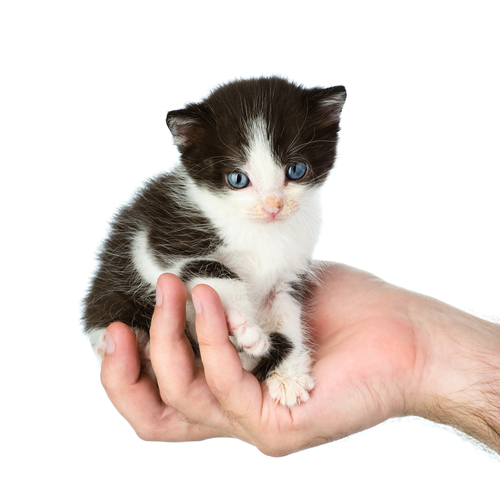

Love, hugs, good friends, walks in the woods….The best things in life are free, right? Well, maybe. If you’re an economist at heart, you tend to see the dollars and cents in pretty much everything.
So recently when my girlfriend and I were debating the merits of moving in together, I, the incorrigible economist, pointed out that my apartment complex is a pet free one, so she should extend her lease 3 more months until mine expires, and then we can get a new place for all three of us. As Kai Ryssdal likes to say, “when we ran the numbers”, we found that little bundle of joy kitty cat of hers was going to cost us an extra $3,000 in rent over the next few months, not to mention all the cool cat products that we are inevitably going to spend on. Also the cost of getting back and forth between our houses, and the resulting carbon emissions that could both be eliminated if we lived together. (I told you, incorrigible economist).
In addition to the environmental damages often caused by pets, the cost of pet ownership is higher than many think. The upfront costs are low enough, but the hidden costs like these and the recent recession in the United Kingdom have led to record abandonments of pets, according to the Pet Bureau, with the RSPCA re-homing more than 60,000 pets in 2011 alone. Of course, the cost of pet ownership doesn’t even register when compared to the estimated $1 million cost of having a baby, but it’s not exactly an apples to apples comparison.
Here’s a fun infographic about the costs of pet ownership from our friends at Baines and Ernst, a debt management and relief company in the UK.






Interesting point Scott – and one to definitely consider when thinking about getting a pet!
Love your ideas! Thanks for tips:)
https://orthoseatinghq.com/